When winter arrives, staying warm does not mean giving up style. A well-made leather coat can provide excellent protection against cold weather while creating a polished and timeless appearance. Many shoppers exploring options at the Pelle Pelle Store wonder what actually makes leather coats for women feel warm and whether leather alone is responsible for their insulation.
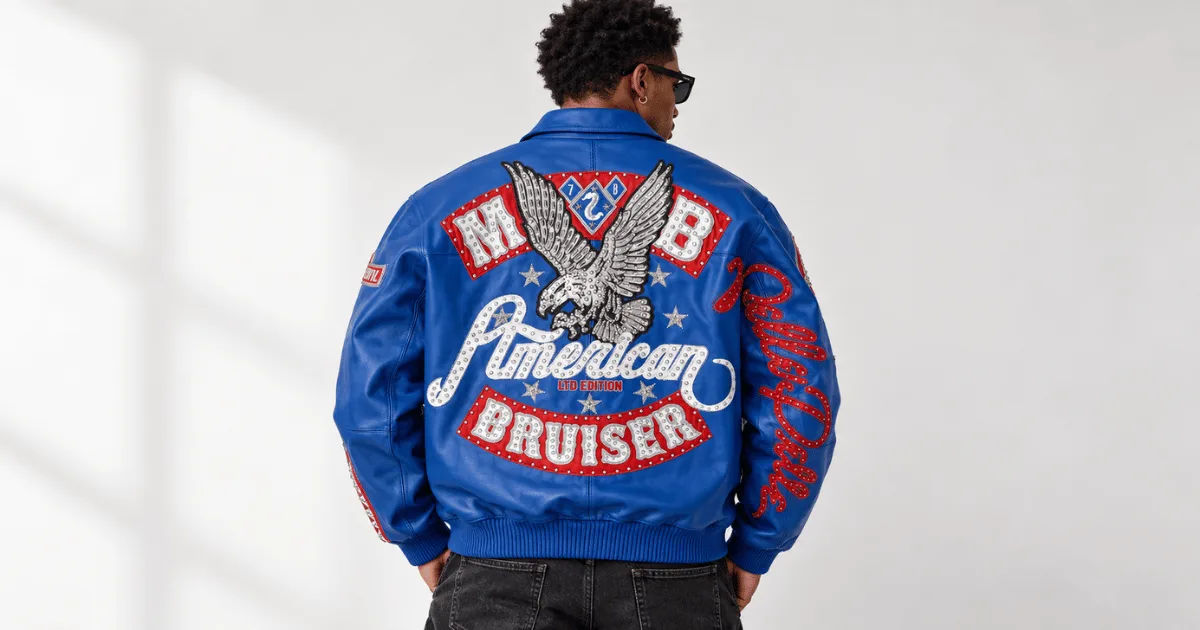
The answer is more complex than simply saying that leather is a warm material. The warmth of a leather coat depends on several factors, including the type and thickness of the leather, the lining, insulation, coat design, fit, and ability to block wind. Understanding these features can help you choose a coat that is both comfortable and practical.
Why Leather Can Feel Warm
Leather is naturally useful as an outer layer because it is relatively dense and provides a barrier between the body and the outside environment. Unlike lightweight fabrics that may allow wind to pass through easily, leather can help reduce the movement of cold air toward the body.
This does not mean leather generates heat. Instead, it helps your body retain the heat it has already produced.
When you wear a leather coat, your body warms the small amount of air trapped between your clothing and the coat. The leather outer shell helps prevent that warmth from escaping too quickly.
A quality Pelle Pelle Store leather coat can therefore feel noticeably warmer than an unlined fashion jacket, especially when the coat is designed for colder conditions.
The Importance of Leather Thickness
One of the major factors affecting warmth is leather thickness.
Thicker leather generally provides a stronger barrier against cold air and wind. It can also feel more substantial when worn during winter. However, thicker does not automatically mean warmer in every situation.
The construction of the entire coat matters. A thick leather shell with a thin, poorly designed lining may not be as comfortable as a moderately thick leather coat with effective insulation.
Different types of leather can also have different characteristics. Cowhide, lambskin, sheepskin, and other leather types vary in thickness, texture, flexibility, and weight.
For everyday winter wear, shoppers should consider how the leather shell works together with the lining and insulation rather than focusing only on leather thickness.
How the Lining Adds Warmth
The inside lining plays a major role in determining how warm a leather coat feels.
A lining creates another layer between your body and the leather. It can improve comfort, help trap warm air, and make the coat easier to put on over sweaters or other clothing.
Common lining materials include polyester, cotton blends, quilted fabrics, fleece, and other textile materials. Some winter coats use specially designed insulated linings to provide additional warmth without making the coat extremely bulky.
When comparing coats at a Pelle Pelle Store, checking the interior construction can be just as important as examining the outside leather.
A coat may look thick from the outside but provide limited insulation if its interior is designed mainly for appearance.
Insulation Makes a Major Difference
Leather itself is only one part of a warm winter coat. Insulation is often responsible for much of the coat's ability to retain body heat.
Insulated coats contain materials designed to trap air. Since trapped air is a relatively poor conductor of heat, it can slow down heat loss from the body.
Some leather coats contain synthetic insulation, while others may use wool, shearling, or other warm materials. The amount and type of insulation influence how the coat performs in different temperatures.
For particularly cold climates, an insulated leather coat can be much more suitable than a lightweight leather jacket designed for fashion or mild weather.
Shearling and Other Warm Linings
Shearling-lined leather coats are popular because they combine a durable leather exterior with a naturally warm interior.
Shearling is processed sheepskin that retains wool on one side while providing a leather surface on the other. The wool can trap warm air around the body and create a soft, comfortable layer.
This construction can be especially effective in cold and windy conditions.
Other coats may use faux shearling or synthetic fleece to create a similar warm and comfortable interior. These materials can provide insulation while offering different price points and care requirements.
A Pelle Pelle Store customer looking for a winter-focused leather coat may therefore want to pay close attention to whether the coat has a warm interior rather than selecting one based only on exterior appearance.
Wind Protection Is Another Key Factor
Wind can make cold weather feel much harsher.
Even when the temperature is not extremely low, strong wind can remove warm air from around the body and make you feel colder. This is why a coat's ability to block wind is an important part of its overall warmth.
Leather is naturally useful as an outer shell because it can limit airflow through the material. However, gaps around the collar, cuffs, zipper, and hem can still allow cold air to enter.
A well-designed coat addresses these areas through features such as high collars, adjustable cuffs, secure closures, and properly positioned zippers.
These seemingly small details can make a significant difference in everyday winter comfort.
Why the Coat's Fit Matters
Fit affects warmth more than many shoppers realize.
A coat that is extremely loose can allow warm air to escape and cold air to circulate inside. On the other hand, a coat that is too tight may leave insufficient room for warm layers underneath.
The ideal fit depends on how you plan to wear the coat.
If you normally wear a sweater or sweatshirt underneath, you should leave enough room for that layer without choosing an excessively oversized coat.
A properly fitted Pelle Pelle Store coat can provide a useful balance between warmth, mobility, and appearance.
Collar Design Helps Keep Heat In
The neck is an important area to protect during cold weather.
A low or open neckline can allow warm air to escape and cold air to enter. A higher collar provides additional coverage around the neck and can make a coat feel considerably warmer.
Some leather coats include wide collars, stand-up collars, removable collars, or shearling-lined collars.
A scarf can provide additional protection, but a well-designed collar reduces the amount of exposed skin and makes the entire outfit more comfortable.
Cuffs and Sleeves Also Matter
Your wrists can become uncomfortable quickly when exposed to cold air.
Leather coats with properly fitted cuffs can reduce airflow around the sleeves. Some designs use snap closures, buttons, elastic inserts, or other construction details to create a closer fit.
Sleeve length is also important. Sleeves should generally extend far enough to provide useful wrist coverage without restricting hand movement.
When evaluating a Pelle Pelle Store coat, look at the sleeve construction as part of the overall winter design rather than treating it as a purely decorative feature.
Longer Coats Can Provide More Coverage
Coat length can also influence how warm you feel.
A cropped leather jacket leaves much of the lower torso exposed, while a longer coat can cover the hips and sometimes extend toward the thighs or knees.
Longer designs can therefore provide additional protection, especially when sitting outdoors, walking in cold weather, or dealing with strong wind.
However, longer does not always mean warmer. The lining, insulation, fit, and construction still matter.
A shorter insulated coat may perform better than a long coat with little insulation.
Leather Coats and Layering
Layering is one of the easiest ways to increase warmth without choosing an extremely heavy coat.
A leather coat can serve as the outer protective layer while a sweater, sweatshirt, fleece, or thermal garment provides additional insulation underneath.
The advantage of layering is flexibility. You can remove an inner layer when you move indoors or add one when temperatures drop.
A Pelle Pelle Store leather coat with enough room for comfortable layering can therefore be useful across different winter conditions.
The key is to avoid excessive tightness. Layers work best when they do not compress one another so much that movement becomes uncomfortable.
Why Some Leather Coats Feel Warmer Than Others
Two leather coats can look similar but perform very differently in cold weather.
One may have a lightweight shell and a thin lining, making it suitable for cool autumn days. Another may feature thick leather, quilted insulation, a warm collar, and longer coverage, making it better suited to winter.
This is why appearance alone should not determine your choice.
Pay attention to the coat's construction, intended use, lining, insulation, length, and closure system.
The Pelle Pelle Store range may include designs intended for different seasons and personal preferences, so understanding these differences helps you select a coat based on actual needs.
Does Leather Keep You Warm in Rain and Snow?
Leather can provide some protection from light moisture, but traditional leather should not automatically be considered waterproof.
Heavy rain or wet snow can affect untreated leather. Moisture may eventually penetrate the material, and improper drying can damage its surface.
If you expect to wear your coat in wet winter conditions, check its care instructions and consider whether the particular leather has been treated for additional weather resistance.
A Pelle Pelle Store leather coat should be maintained according to the manufacturer's care recommendations to preserve its appearance and performance.
Proper Care Can Protect Warmth and Comfort
Leather requires appropriate care because it is a natural material.
Regular cleaning using suitable leather products can help maintain its surface. Conditioning may also prevent certain types of leather from becoming excessively dry.
However, not every leather product is suitable for every type of leather. Using an unsuitable cleaner or conditioner can cause discoloration or damage.
Always follow the manufacturer's instructions.
If the coat becomes wet, allow it to dry naturally in a well-ventilated area. Avoid placing leather directly against strong artificial heat sources, such as radiators or heaters, because excessive heat can dry or distort the material.
Proper care helps a Pelle Pelle Store leather coat remain comfortable and attractive for many seasons.
How to Choose a Warm Leather Coat
Choosing a warm leather coat starts with understanding your local climate.
For mild winters, a lightweight leather coat with a comfortable lining may be enough. For colder temperatures, look for insulation, a warmer lining, good wind protection, and sufficient coverage.
Think about your normal daily activities as well.
Someone commuting by car may prefer a shorter design that allows easy movement. Someone who walks outdoors for long periods may benefit from a longer insulated coat with a protective collar.
Personal comfort should also be considered. A coat that looks attractive but feels restrictive will probably not become a favorite winter piece.
Check the Construction Quality
Quality construction can affect both comfort and durability.
Look closely at the seams, zipper, buttons, pockets, cuffs, collar, and lining. Strong stitching and secure closures can help the coat maintain its structure over time.
The leather should also feel appropriate for the intended design. Extremely stiff leather may require more breaking in, while softer leather can offer greater flexibility.
A Pelle Pelle Store shopper should consider the complete construction rather than judging a coat by its appearance alone.
Why Pockets Can Improve Winter Comfort
Pockets are not only useful for carrying belongings.
They can also provide a convenient place to protect your hands from cold wind. Deep, secure pockets are particularly useful when walking outdoors.
Some coats include lined pockets, which can make them even more comfortable in cold conditions.
This is another small design feature that can contribute to the practical warmth of a leather coat.
Are Leather Coats Suitable for Extremely Cold Weather?
A leather coat can be very warm, but its suitability depends on its construction.
A lightweight fashion leather jacket may not be enough for extremely low temperatures. A heavily insulated leather coat with a warm lining and sufficient coverage can perform much better.
For severe winter conditions, layering remains important.
You should also consider other exposed areas such as your head, hands, feet, and face. Even an excellent leather coat cannot provide complete protection if the rest of your winter clothing is inadequate.
The Pelle Pelle Store can be a useful reference point for comparing different leather styles, but the right choice ultimately depends on the specific coat and the weather conditions in which you intend to wear it.
Leather Warmth Compared With Other Materials
Leather has a different role from materials such as down, fleece, wool, and synthetic insulation.
Down is highly effective at trapping air and is often used in lightweight insulated jackets. Fleece provides warmth while remaining relatively light. Wool offers natural insulation and moisture-management properties.
Leather's major advantage is that it combines a protective outer shell with durability and a distinctive appearance.
When leather is combined with an insulating lining, it can offer both warmth and protection from wind.
That combination makes leather coats particularly appealing to people who want winter functionality without sacrificing a classic fashion style.
Common Mistakes When Buying a Leather Coat
One common mistake is choosing a coat based entirely on appearance.
A beautiful coat may not provide enough warmth for your climate.
Another mistake is ignoring the lining. The interior can have a major effect on comfort and insulation.
Choosing the wrong size is another problem. A coat that is too tight can make layering difficult, while an excessively loose coat may allow too much cold air inside.
Buyers should also avoid assuming that every leather coat is designed for winter. Some are primarily fashion pieces intended for transitional seasons.
Before purchasing from a Pelle Pelle Store, consider the weather, intended use, insulation, length, and fit.
Conclusion
Leather coats feel warm because several elements work together to reduce heat loss. The leather exterior provides a protective barrier against wind and cold air, while the lining and insulation help trap warmth close to the body.
Thickness, coat length, collar design, cuffs, closures, and fit can all influence how comfortable the coat feels in cold weather.
A leather coat is not automatically a winter coat. Its actual warmth depends on its construction and intended purpose. A lightweight leather jacket with minimal lining may work well during cool weather, while an insulated or shearling-lined leather coat can provide much greater protection during winter.
When shopping for a Pelle Pelle Store leather coat, consider more than its color or appearance. Examine the leather, lining, insulation, fit, coverage, and closures. Think about the temperatures and activities for which you will use it.
Ultimately, the warmest leather coat is one that matches your environment and allows you to stay comfortable while wearing appropriate layers underneath. With the right construction and proper care, a quality leather coat can provide a practical combination of warmth, durability, and timeless style.