Acne scars can affect more than the appearance of your skin. They may influence your confidence, make you uncomfortable in photographs, or encourage you to spend time searching for products that promise smoother skin. Fortunately, modern dermatology offers several options to improve acne scars, including chemical peels, microneedling, laser procedures, and treatments that stimulate collagen production. 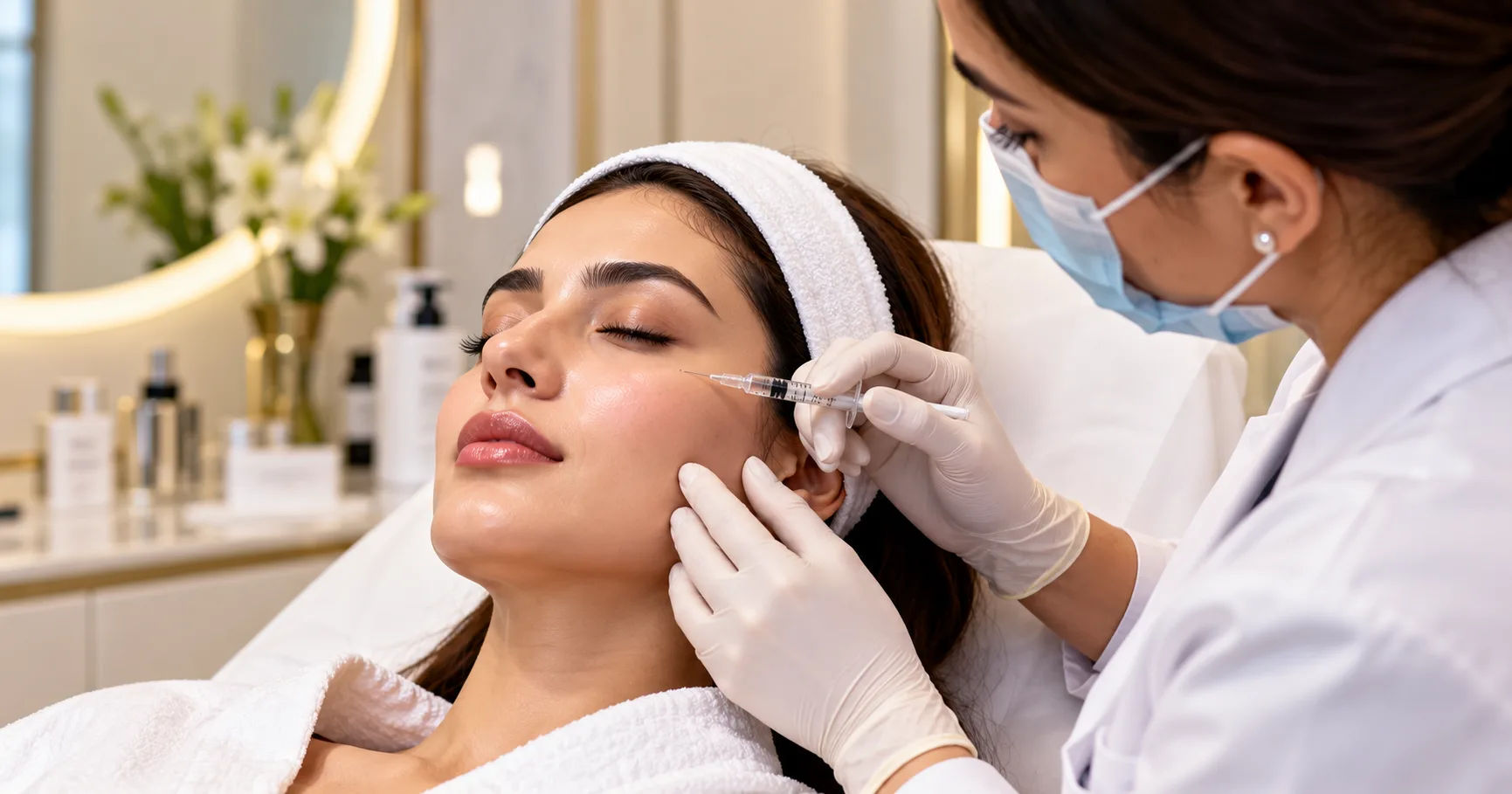 However, the time required to see results depends on your skin type, the severity of your scars, and the treatment selected.
Understanding the expected timeline is important before starting acne scar treatment in Karachi. Some treatments may produce an early improvement in skin texture, while others require several sessions and months of healing before the changes become noticeable. It is also important to remember that acne scars usually improve gradually rather than disappearing overnight.
If you are planning to visit a dermatologist, knowing what happens during each stage of treatment can help you establish realistic expectations. This guide explains when different treatments begin to work, which factors influence results, how to care for your skin during recovery, and when you should discuss your progress with a qualified professional.
Acne Scars and Their Treatment
Acne scars develop when inflammation from acne damages the skin and affects its natural healing process. Depending on the extent of this damage, the skin may develop depressions, raised areas, or changes in pigmentation that remain after active acne has cleared.
Not every mark left by acne is a permanent scar. Flat red, purple, or brown marks may be post-inflammatory discoloration, which often fades gradually. Depressed or raised scars involve changes in skin structure and may need professional treatment for significant improvement.
Different Types of Acne Scars
Understanding your scar type helps explain why some treatments work faster than others.
-
Atrophic scars: These appear as depressions in the skin. Ice-pick scars are narrow and deep, boxcar scars have more defined edges, and rolling scars create an uneven, wave-like surface.
-
Hypertrophic scars: These raised scars develop when the body produces excess collagen during healing.
-
Keloid scars: These raised scars extend beyond the original acne injury and may continue growing over time.
-
Pigmented acne marks: These are flat areas of discoloration rather than true structural scars. Their appearance may improve with sun protection and suitable topical treatments.
Each type responds differently to treatment. A dermatologist can determine whether you need a procedure that stimulates collagen, releases scar tissue, reduces raised scars, or targets pigmentation.
How Long Does Acne Scar Treatment Take to Show Results?
There is no single timeline that applies to everyone. Some people notice changes within a few weeks, while others need several months of treatment before they can judge the improvement accurately.
The first visible change also depends on what you are treating. Pigmentation may respond differently from deep scars, and temporary swelling immediately after a procedure should not be mistaken for a lasting result.
Results During the First Two Weeks
During the first few days after a procedure, your skin may look red, feel sensitive, or appear slightly swollen. These effects can occur after treatments such as microneedling, chemical peels, and laser procedures.
At this stage, the skin is recovering. You should not expect the final result immediately, even if your skin appears smoother because of temporary swelling.
Mild procedures may involve little downtime, while more intensive treatments can require longer recovery. Follow your dermatologist's aftercare instructions and avoid adding strong skincare products until your skin has recovered sufficiently.
Results Within Four to Six Weeks
Some patients begin noticing early improvements in skin texture, tone, or the appearance of superficial marks within four to six weeks. However, this is not a guaranteed timeline.
Treatments that encourage collagen production require time because the skin must gradually create and reorganize collagen fibers. The improvement may therefore continue long after the initial redness has disappeared.
During this period, take photographs under similar lighting conditions. Comparing pictures can help you notice gradual changes that are difficult to recognize when looking at your face every day.
Results After Two to Three Months
For many people receiving professional treatment for depressed acne scars, two to three months is a more useful period for assessing progress. The skin may become smoother, and the depth or visibility of some scars may decrease.
The exact outcome depends on the procedure, number of sessions, scar type, and individual healing response. One session may produce a modest improvement, while a treatment plan involving multiple sessions may offer more noticeable changes.
Your dermatologist may assess your skin at this stage and recommend continuing, adjusting, or combining treatments.
Results After Three to Six Months or Longer
Deeper scars often need a longer treatment plan. Improvements may continue for several months as collagen remodeling progresses and the skin recovers between sessions.
Some people need six months or longer to achieve their desired improvement, particularly when scars are deep, extensive, or resistant to initial treatment.
The goal is usually meaningful improvement rather than perfect, completely scar-free skin. Setting realistic expectations helps you evaluate progress without becoming discouraged by gradual results.
How Different Acne Scar Treatments Affect the Timeline
The treatment method is one of the most important factors affecting how quickly you notice a difference. A dermatologist should select a procedure based on your scar type, skin tone, medical history, and recovery preferences.
Microneedling
Microneedling uses fine needles to create controlled micro-injuries in the skin. These small injuries stimulate the body's healing response and encourage collagen production.
Some patients notice early changes in skin texture after a few weeks, but more meaningful improvement generally develops over several weeks to months. A course of multiple sessions is commonly recommended for depressed scars.
The time between sessions matters because the skin needs to recover. Having treatments too frequently can increase irritation without necessarily improving the outcome.
Microneedling may help certain atrophic scars, but it is not equally effective for every scar type. Active acne, infection, and a history of abnormal scarring must be considered before treatment.
Fractional Laser Treatment
Fractional laser procedures target small areas of skin while leaving surrounding tissue available to support healing. Depending on the device and settings, treatment may stimulate collagen remodeling and improve texture.
Some improvement may become visible after the skin has healed, but the full effect often develops over several months. Multiple sessions may be needed, especially for moderate or deep scars.
Ablative fractional lasers generally involve more downtime and can carry different risks from non-ablative lasers. These risks include prolonged redness, pigment changes, infection, and scarring if the procedure is unsuitable or improperly performed.
People with darker skin tones need particular care because some laser settings can increase the risk of post-inflammatory hyperpigmentation. A qualified dermatologist should explain the benefits, alternatives, and risks before treatment.
Chemical Peels
Chemical peels use selected acids to exfoliate the skin and encourage renewal. Superficial peels may help with uneven tone, mild discoloration, and some surface irregularities.
Early changes may appear over several weeks, particularly when pigmentation is the main concern. A series of peels may be required for a more noticeable result.
However, chemical peels cannot reliably correct deep, depressed scars on their own. Stronger peels also carry greater risks and should only be performed by appropriately trained professionals.
Using homemade acids or strong peeling products without guidance may cause burns, irritation, and additional pigmentation.
Subcision
Subcision is a procedure in which a trained professional uses a needle or similar instrument to release fibrous bands pulling certain depressed scars downward.
It can be particularly useful for selected rolling scars. Some changes in contour may become apparent after swelling settles, but collagen remodeling continues over time.
Subcision may be combined with other treatments when appropriate. Depending on the technique and the individual, bruising, swelling, tenderness, or temporary lumps can occur.
The results are not immediate or identical for everyone, and some scars may require additional procedures.
Prescription Creams and Topical Treatments
Topical treatments may be useful when acne marks, uneven pigmentation, or ongoing acne are part of the problem. Depending on the diagnosis, a dermatologist may recommend ingredients such as retinoids or azelaic acid.
These products generally work gradually. Improvement in pigmentation may take several weeks or months, and some treatments also help prevent new acne lesions that could cause further scarring.
Creams usually have limited ability to correct deep structural scars. Irritation can also make discoloration worse, particularly when products are used too frequently or without suitable sun protection.
Pregnant people or those planning pregnancy should consult a clinician before using retinoids, as these products are generally avoided during pregnancy.
Factors That Influence How Quickly You See Results
Two people can receive the same procedure and experience different outcomes. The following factors help explain why treatment timelines vary.
The Depth and Type of Scars
Shallow scars and mild surface irregularities may respond more readily than deep ice-pick scars or scars attached to underlying tissue.
Deep scars often need a combination of techniques rather than one procedure. For example, a dermatologist may recommend subcision for tethered scars and another treatment to improve overall texture.
Raised scars require a different approach because their underlying problem involves excess scar tissue rather than a loss of skin volume.
Your Skin Type and Natural Healing Response
Your age, genetics, general health, and individual healing response can influence recovery. Some people develop collagen more readily, while others experience slower remodeling.
Skin tone is also important when choosing a procedure. Darker skin tones can be more prone to post-inflammatory hyperpigmentation after irritation or injury, although suitable treatment options are available.
A professional assessment helps reduce avoidable risks and allows the treatment plan to be adjusted to your needs.
The Number of Treatment Sessions
One session rarely produces the same results as a complete treatment course when dealing with established acne scars.
For example, a dermatologist might recommend several microneedling sessions spaced weeks apart. The exact number depends on your skin's response, scar severity, and the device or technique being used.
More sessions do not automatically mean better results. Treatment should be adjusted according to your progress and recovery rather than following a rigid schedule.
Active Acne and New Breakouts
If you continue to develop inflamed acne, new scars may appear while existing scars are being treated. This can make it difficult to judge the overall improvement.
In many cases, controlling active acne is an important first step. Your dermatologist may recommend medication or skincare to reduce new breakouts before beginning certain procedures.
Avoid picking, squeezing, or scratching pimples. These habits can increase inflammation and the likelihood of persistent marks or scars.
Sun Exposure and Skincare Habits
Sun exposure can darken post-inflammatory pigmentation and make uneven skin tone more noticeable. Irritating products can also interfere with recovery.
Use broad-spectrum sunscreen with SPF 30 or higher, following your dermatologist's instructions. Reapply as directed, especially when outdoors, sweating, or spending time in direct sunlight.
A gentle cleanser, suitable moisturizer, and consistent sun protection can support your treatment plan. Avoid aggressive scrubs, unapproved bleaching products, and unnecessary exfoliation while your skin heals.
What to Expect From Acne Scar Treatment in Karachi
When considering acne scar treatment in Karachi, it helps to understand that the clinic you choose, the professional's experience, and the treatment plan can all affect your experience.
Karachi has a range of dermatology clinics offering cosmetic skin procedures. However, available equipment, professional qualifications, treatment protocols, and aftercare standards can differ.
Choosing a Qualified Dermatologist
Look for a qualified dermatologist with experience treating the specific type of acne scars you have. Ask whether the clinician routinely performs the recommended procedure and how they assess whether someone is a suitable candidate.
A proper consultation should include an examination of your skin, a discussion of your medical history, and an explanation of realistic outcomes.
You should also receive information about possible side effects, recovery time, the expected number of sessions, and alternative treatments.Treatment Costs and Packages
The cost of treatment can vary according to the procedure, the clinic, the equipment used, and the number of sessions required.
When comparing prices, do not focus only on the cost of a single appointment. Ask whether the quoted fee includes consultation, follow-up visits, medication, and aftercare products.
A low-cost procedure is not necessarily the best choice if it involves unsuitable equipment, poor hygiene, or inadequate supervision. Similarly, an expensive package does not guarantee superior results.
Choose a treatment plan based on clinical suitability, safety, and realistic expectations.
Planning Around Karachi's Climate
Karachi's heat, humidity, and strong sunlight can make skincare after a procedure particularly important. Sweat, friction, and sun exposure may irritate recovering skin.
Try to schedule treatment when you can follow the recommended recovery routine without unnecessary outdoor exposure. If your work requires regular travel or long periods outside, discuss this with your dermatologist before selecting a procedure.
You may need to adjust exercise, outdoor activities, or the use of makeup temporarily. The exact restrictions depend on the treatment and how your skin heals.
A Practical Timeline for Your Treatment Journey
The following timeline is a general guide, not a promise of specific results. Your dermatologist may recommend a different schedule based on your skin.
Week 1: Consultation and planning
Identify the scar type, discuss medical history, and agree on a suitable treatment plan. If active acne needs control, begin addressing it first.
Weeks 1–2: Recovery
Redness, sensitivity, peeling, or swelling may occur, depending on the procedure. Follow aftercare instructions and allow your skin to heal.
Weeks 4–6: Early assessment
Look for gradual changes in skin texture or pigmentation. Results may still be subtle, especially after collagen-stimulating procedures.
Months 2–3: Progress review
Compare photographs and attend follow-up appointments. Your dermatologist can assess whether another session or a different approach is appropriate.
Months 3–6 and beyond: Continued improvement
Collagen remodeling may continue, and a longer course may be needed for deeper scars. Assess the overall change rather than expecting perfection.
How to Care for Your Skin After Treatment
Aftercare is an essential part of achieving the best possible result. Even an effective procedure may cause unnecessary irritation if you do not follow the recommended recovery routine.
Keep Your Skincare Routine Gentle
Use a mild cleanser and a moisturizer suitable for your skin. Avoid scrubbing, rubbing, or peeling away loose skin after a procedure.
Your dermatologist may advise you to pause retinoids, exfoliating acids, benzoyl peroxide, or other active ingredients temporarily. The appropriate waiting period depends on the treatment and your skin's recovery.
Do not introduce several new skincare products at once. A simple routine makes it easier to identify irritation and protect your skin barrier.
Protect Your Skin From Sunlight
Daily sun protection is important, especially after treatments that temporarily make the skin more sensitive.
Apply a broad-spectrum sunscreen with SPF 30 or higher, and reapply according to the product instructions. A hat, shade, and protective clothing can provide additional protection when outdoors.
Sun protection is particularly important if you are treating brown or dark acne marks. Without it, pigmentation may persist or become more noticeable.
Avoid Picking or Scratching Your Skin
Small flakes, scabs, and temporary bumps can appear during recovery. Picking at them may delay healing and increase the risk of infection, pigmentation, or additional scarring.
Avoid intense exfoliation and follow the instructions for washing your face, exercising, and applying makeup. If you are unsure whether a product is safe during recovery, ask your dermatologist before using it.
Support Your Skin With Healthy Habits
Adequate sleep, balanced nutrition, and sufficient hydration support general health and normal skin function. However, no particular food or supplement can guarantee that acne scars will disappear.
Avoid smoking where possible, as smoking can interfere with wound healing. If you have a medical condition or take medication that may affect healing, share that information with your clinician before a procedure.
Common Mistakes That Can Delay Results
Several mistakes can interfere with your progress or lead to unnecessary irritation.
-
Expecting overnight improvement: Collagen remodeling takes time, so judge results over weeks and months rather than days.
-
Changing treatments too quickly: Switching procedures before allowing enough time for improvement can make progress difficult to assess.
-
Ignoring active acne: New breakouts may create additional scars and undermine your results.
-
Using too many active ingredients: Combining strong products without professional guidance may damage the skin barrier.
-
Choosing a procedure based only on price: The most suitable treatment depends on your scars and skin, not simply the cost.
-
Skipping follow-up visits: Regular reviews help your dermatologist monitor healing and adjust the treatment plan safely.
Consistency is more useful than rushing through treatments. A carefully planned approach can reduce avoidable complications and help you understand what is realistically achievable.
When Should You Contact Your Dermatologist?
Mild redness, tenderness, and swelling can occur after certain procedures. These effects should generally improve according to the recovery timeline explained by your clinician.
Contact your dermatologist if redness or pain is worsening instead of improving, or if you notice increasing warmth, pus, spreading discoloration, or other signs of possible infection.
Seek prompt medical attention for severe pain, significant blistering, rapidly increasing swelling, fever, or other unexpected symptoms. Do not assume that every reaction is a normal part of healing.
You should also arrange a follow-up if you have completed the recommended treatment course but cannot see meaningful improvement. Your dermatologist can reassess the scar type, review your photographs, and determine whether the plan needs adjustment.
Remember that slow progress does not automatically mean treatment has failed. Some procedures require longer observation, while others may be less suitable for particular scars.
Conclusion
The time needed to see results from acne scar treatment depends on your scar type, the procedure selected, your skin's healing response, and the consistency of your aftercare. Some people notice early improvements within four to six weeks, while more substantial changes often require two to three months or longer. Deep or stubborn scars may need six months or more of carefully planned treatment.
When considering acne scar treatment in Karachi, start with a qualified dermatologist who can examine your skin, explain your options, and develop a realistic treatment plan. Ask about expected results, the number of sessions, recovery time, possible side effects, and the total cost before committing to a procedure.
Most importantly, be patient with your skin. Take progress photographs, protect your skin from sunlight, manage active acne, and follow professional aftercare instructions. Avoid judging a treatment too early or using aggressive products to speed up the process.
With an appropriate treatment plan and realistic expectations, many people can achieve smoother-looking skin and a noticeable reduction in the appearance of acne scars. The aim is not necessarily flawless skin, but healthier skin and an improvement that you can maintain over time.