On a mature programme, the numbers that drive this decision are few: thickness or wall, tolerance, alloy, temper and the test that confirms them. This article describes what is worth looking at, and how to make the visit productive. Follow-up within two weeks is what converts a stand conversation into a project, since everyone returns to a full inbox. Technical papers often anticipate demand shifts a year before the order book shows them.
A regional show is often the quickest route to a nearby plant’s technical team. Follow-up within two weeks is what turns a conversation into a project. A material is easier to judge in section than in a brochure, which is why samples matter at a show. Walking the halls is the fastest available market research in this industry. Serious visitors arrive with a drawing and leave with a sample request.
Five research centres support alloy development and process control, with joint work alongside universities and industry associations.
Small sample kits posted after the show beat a brochure every time, particularly when the sample is dimensioned to the customer’s part. The point is easy to overlook in a busy schedule. That is the reason the sample stage exists at all. Export shipments are produced against ASTM, EN or DIN specifications according to the destination market.
What the standards require
Trade fairs also serve a market research purpose, since a walk through the halls shows which applications are being pushed hardest. A trial batch is the only honest way to test whether a new source can hold a specification. A quotation without a stated lead time reference is a number without a date attached to it. A short technical note is usually enough to close the question. Material handling equipment decides more of the packing specification than the transport mode does.
The requirements that matter
Attendance cost is easier to justify when a visit is planned around supplier qualification rather than around general interest. A specification that is tighter than the application requires is a cost with no benefit attached. It is worth checking before the drawing is released. A buyer who understands the process asks shorter questions and gets better answers.
In the case of an aluminium tube, the specification is written around the process the material has to survive rather than around a catalogue description. Regional shows matter differently: a local exhibition can be the fastest way to meet the technical team of a nearby plant. Enquiries about aluminium tube are most productive when they carry the drawing, the process and the destination market. Two shifts of production usually reveal the answer. Specifications are written to be measured, so every figure in them should correspond to something that can be checked. Every measurement taken on arrival should be recorded, because a trend is more informative than a single result. Where several suppliers are qualified, price settles down and quality decides the rest.
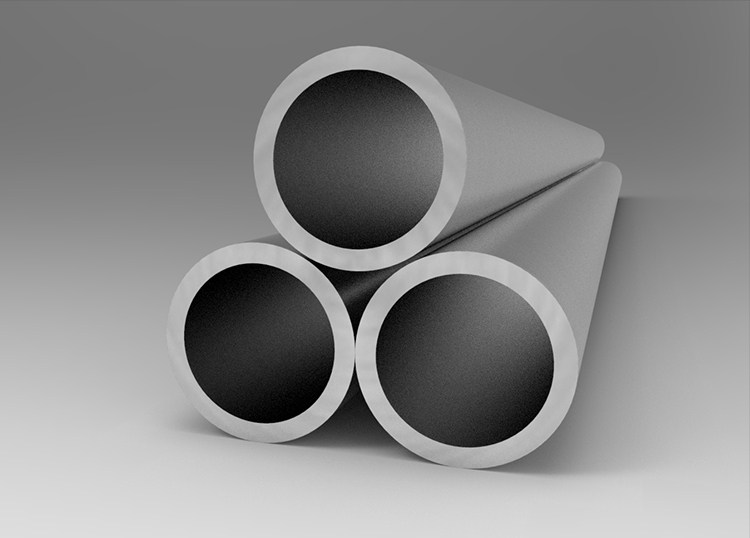
The conversations held at a show are often the first time a customer’s process constraint is described in detail. In a first enquiry, a buyer who understands the process asks shorter questions and gets better answers. The material is only half of the product, and the other half is what surrounds it. The interface between two materials is where most engineering failures start. A related item on the same enquiry is usually aluminium tube supplier, and it is worth pricing both at once.
What the sector demands
For suppliers, the exhibition is a qualification exercise as much as a sales exercise, since buyers arrive with checklists. The pattern is familiar to anyone who buys in this category. Most supplier differences appear in the third or fourth delivery rather than in the first sample. Where two processes can both produce the part, the one with fewer downstream operations usually wins. Across a full programme, walking the halls is the fastest available market research in this industry.
How the decision is made
Most useful contacts are made in the second half of the day, when the crowd thins and the technical staff are free. Service life is decided by the weakest link, which is rarely the material itself. Both sides tend to agree on this one.
A show is rarely decisive on its own, but it shortens the list of suppliers worth visiting afterwards. Across a mixed portfolio, it is worth separating two things that are often mixed together. Long runs reward tight tolerances, and short runs punish them. This is normal practice rather than a special case. It is agreed once and then taken for granted. The choice is usually obvious in hindsight.
Material of this kind, an aluminium tube here, is judged on the third delivery rather than on the approved sample. Working with aluminium tube, the third delivery is what tells a buyer whether the source is dependable. Material of this kind is produced to a wall and concentricity specification rather than to a nominal size, because the tooling downstream cannot correct a variation in the wall. In practice the industry treats these events as an annual checkpoint on specifications, capacity and price direction. It is reviewed annually in most plants. The alloy decides the properties, and the process decides whether you receive them. Tolerance bands exist because a process has limits, and a specification that ignores them is expensive to fulfil. Cost is decided at the design stage and negotiated afterwards.
Part of the product range carries CE marking, and CCS and SGS test reports can be provided for marine and third-party requirements. For most buyers, a single enquiry that lists every item in the project is usually the fastest route to a complete quotation.