Strong, healthy nails are often seen as a small part of overall appearance, but they can tell us quite a lot about how well we are caring for our bodies. Nails that split, peel, crack, or break easily can be frustrating, especially when you are trying to grow them longer. Diet, nail-care habits, environmental exposure, and certain nutritional deficiencies can all influence nail strength.
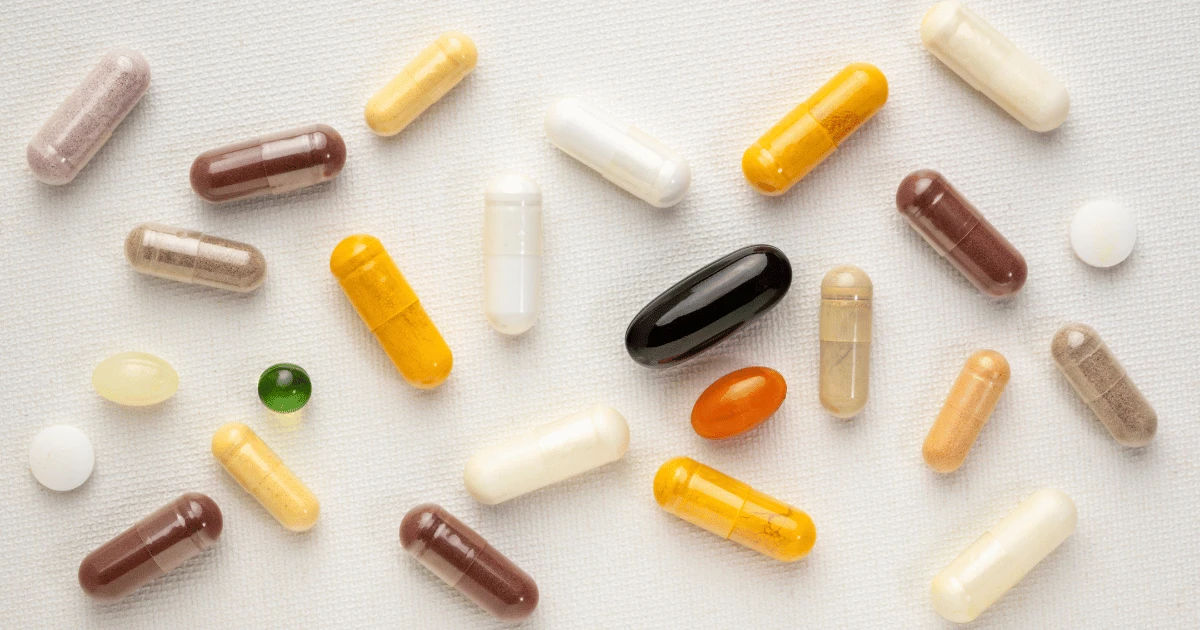
Biotin is one nutrient that is frequently discussed when it comes to hair and nail health. It is a water-soluble B vitamin, also known as vitamin B7, that plays a role in normal energy metabolism and the processing of nutrients in the body. Because biotin has become strongly associated with healthy hair and nails, many people wonder whether taking a supplement can actually make a noticeable difference.
For people considering Biolife biotin Supplement, the important question is not simply whether biotin is popular for nails. The more useful question is whether getting enough biotin can support normal nail structure and whether supplementation is likely to help someone whose nails are weak or brittle. The answer depends on the individual's nutritional status, diet, nail condition, and the reason behind the problem.
Biotin and Nail Health
Biotin is an essential nutrient that belongs to the B-vitamin family. The body needs it in relatively small amounts, but it participates in important metabolic processes. It helps the body process carbohydrates, fats, and proteins and contributes to normal physiological functions.
Biotin is also involved in processes related to keratin production. Keratin is a structural protein found in hair, skin, and nails. This connection is one reason biotin supplements are commonly associated with stronger nails.
However, it is important to understand the difference between supporting normal nutrition and treating a specific nail problem. Biotin is not a magic ingredient that automatically transforms weak nails into strong ones.
For someone who has a genuine biotin deficiency, correcting that deficiency may be helpful. For someone who already receives enough biotin through food, taking more does not necessarily mean the nails will become dramatically stronger.
How Nails Grow
To understand whether a biotin supplement can support nails, it helps to understand how nails develop.
Fingernails are primarily made from keratin. New nail cells are produced in an area beneath the skin at the base of the nail called the nail matrix. As new cells develop, older cells become hardened and move forward, creating the visible nail.
This process happens gradually. Fingernails do not become completely different overnight because of a supplement or a change in diet.
A healthy nail grows slowly, meaning that improvements can take time to become visible. If someone begins improving their nutrition today, they should not expect damaged nail tips to suddenly repair themselves tomorrow.
The portion of the nail that has already grown out cannot simply be rebuilt from within. Instead, healthier nail growth becomes noticeable as new nail develops.
Can Biolife biotin Supplement Support Stronger Nails?
A biotin-containing supplement may support nail health when it helps an individual meet their nutritional needs. Biotin is involved in keratin-related processes, which gives it a logical connection with nail structure.
Some research has suggested that biotin supplementation may improve nail thickness or reduce brittleness in certain people, particularly those experiencing fragile nails. However, the evidence is not strong enough to say that every person with weak nails will benefit in the same way.
This distinction matters.
A supplement should not be viewed as a guaranteed solution for brittle nails. If the underlying problem is caused by another nutritional deficiency, frequent exposure to water or chemicals, trauma, an infection, or an underlying medical condition, simply taking biotin may not solve it.
For this reason, Biolife biotin Supplement should be considered as part of an overall approach to nutrition and nail care rather than as a standalone answer to every nail problem.
What Does Research Say About Biotin for Brittle Nails?
Biotin has received attention in studies involving people with brittle or fragile nails. Some small studies have reported improvements in nail thickness and strength after biotin supplementation.
At the same time, researchers have pointed out that the overall evidence remains limited. Many studies have involved relatively small groups of people, and results cannot automatically be applied to everyone.
This is an important point when reading advertisements or online claims about biotin.
A nutrient can be important for normal body function without producing dramatic results when taken in supplement form by someone who is already getting enough of it.
Therefore, it is more accurate to say that biotin may support nail health, particularly in certain situations, rather than claiming that biotin supplements will definitely make everyone's nails grow faster or stronger.
Signs That Your Nails May Need More Attention
Weak nails can appear in several different ways.
Some people notice that their nails split horizontally or vertically. Others experience peeling layers, frequent cracking, excessive softness, or nails that break before they have a chance to grow.
Occasional breakage is usually not a reason for concern. Nails naturally experience wear and tear, particularly when they are exposed to water, cleaning products, friction, or physical pressure.
Persistent changes deserve more attention.
If nail problems continue despite good nail care and a balanced diet, it is worth considering whether something else may be responsible. Nutritional deficiencies, certain illnesses, medications, infections, repeated trauma, and other conditions can affect the appearance and strength of nails.
This is why treating the symptom alone is not always the best approach.
Biotin Deficiency and Nails
True biotin deficiency is relatively uncommon in healthy people who eat a varied diet. The body obtains biotin from a range of foods, and intestinal bacteria can also produce some biotin.
When deficiency does occur, it may be associated with various symptoms. Hair and skin changes can occur, and nutritional problems may affect nails as well.
People with restricted diets, certain health conditions, or particular nutritional circumstances may have a greater risk of nutrient deficiencies. However, it is not appropriate to assume that every case of brittle nails is caused by inadequate biotin.
If you have persistent nail changes, a healthcare professional can help determine whether a deficiency or another issue might be involved.
Food Sources of Biotin
Supplements are only one way to obtain biotin. A balanced diet can provide biotin through several foods.
Eggs, nuts, seeds, legumes, fish, meat, and some vegetables can contribute biotin to the diet. Eating a variety of foods is generally a better long-term strategy than depending on a single nutrient.
For nail health, overall nutrition matters.
Protein is particularly important because nails are largely composed of keratin, which is a protein. Adequate intake of other vitamins and minerals also supports normal body functions involved in growth and tissue maintenance.
This means that someone hoping to improve nail health should look beyond biotin alone.
How Nail Care Can Work Alongside Biotin
Even if nutritional support is appropriate, everyday nail habits still matter.
Repeatedly soaking nails in water can contribute to brittleness and splitting. Household cleaning products and harsh chemicals may also dry or weaken the nails and surrounding skin.
Wearing gloves during household cleaning can reduce direct exposure to detergents and other chemicals. Keeping nails at a manageable length can also reduce accidental bending and breaking.
Another useful habit is avoiding the use of nails as tools. Opening containers, scraping surfaces, or picking at objects with fingernails creates mechanical stress that can lead to cracks.
Gentle filing can help maintain smooth edges. It is also useful to avoid aggressive cutting or pushing of the cuticles because the surrounding nail tissue provides an important protective barrier.
Does Biotin Make Nails Grow Faster?
This is one of the most common questions about biotin.
Biotin should not be viewed as a guaranteed nail-growth accelerator. Nail growth is influenced by genetics, age, nutrition, overall health, circulation, and other factors.
Some people may notice stronger or healthier-looking nails while using a biotin supplement, which can make it seem as though their nails are growing faster. In reality, improved strength may simply mean that fewer nails are breaking before they reach a desired length.
That difference is important.
If a nail normally breaks at a short length but becomes less brittle, it may eventually appear longer because it survives longer. This is not necessarily the same thing as dramatically increasing the biological rate of nail growth.
How Long Might It Take to Notice Changes?
Nails grow slowly, so patience is necessary.
If a nutritional change is helping, visible improvement generally cannot be judged immediately. The nail that you can see today developed over time, and new growth also takes time to reach the visible portion.
Individual results can vary significantly.
Someone with a nutritional deficiency may respond differently from someone whose brittle nails are caused by frequent chemical exposure or physical damage. Similarly, people with naturally thin nails may have different expectations from those whose nails have recently become weak.
Rather than checking the nails every few days, it makes more sense to look at their condition over several weeks or months.
Who Might Consider a Biotin Supplement?
A person considering a biotin supplement may want to first look at their overall diet and nail-care routine.
If the diet is limited or nutritional intake is inadequate, improving food choices may be an important first step. A supplement may have a role when dietary intake is insufficient or when a healthcare professional recommends supplementation.
People should also consider why their nails are weak.
If the problem appeared suddenly, is getting worse, affects several nails, or is accompanied by other unusual symptoms, it is better to investigate the cause rather than automatically assuming that more biotin is needed.
Is More Biotin Always Better?
No.
Biotin is a nutrient, but taking larger amounts does not automatically produce better nail results.
Another important issue is that high-dose biotin supplements can interfere with certain laboratory tests. This can potentially cause inaccurate results for some tests, including tests used to evaluate certain heart-related and hormone-related conditions.
For this reason, anyone taking a high-dose biotin product should tell their healthcare professional before undergoing blood testing.
Following the product's recommended serving instructions is also important. Taking more than recommended is not a reliable shortcut to stronger nails.
What Else Supports Healthy Nails?
Nail health is influenced by much more than one vitamin.
Adequate protein, a varied diet, hydration, good hygiene, and sensible nail care all have a role. Protecting the nails from repeated trauma is equally important.
If someone frequently uses nail polish, artificial nails, extensions, adhesives, or acetone-based removers, giving the nails occasional breaks may help reduce dryness and physical stress.
Moisturizing the hands and the skin around the nails can also help maintain flexibility and reduce dryness.
Good habits may seem simple, but they can make a meaningful difference over time.
When Should You Speak With a Healthcare Professional?
Not every nail problem requires medical attention. However, persistent or unusual changes should not automatically be treated with supplements.
A healthcare professional should be consulted if nails suddenly change color, become significantly distorted, separate from the nail bed, become painful, develop persistent swelling, or show signs that could indicate an infection.
Repeated splitting or extreme brittleness that does not improve with better nail care may also deserve evaluation.
A professional can consider dietary factors and other possible causes instead of focusing on biotin alone.
This approach is especially useful because several different problems can produce similar-looking nail symptoms.
Choosing a Biotin Supplement Carefully
If you decide that a supplement is appropriate, read the product label carefully.
Look at the amount of biotin provided per serving and check the other ingredients. Follow the recommended serving rather than assuming that a higher dose will produce faster results.
It is also sensible to consider whether you actually need supplementation. Supplements can be useful, but they should complement a healthy diet rather than replace it.
When choosing Biolife biotin Supplement, consumers should pay attention to the specific product label and serving instructions because formulations can vary. If you are pregnant, breastfeeding, taking medications, managing a health condition, or preparing for laboratory tests, speaking with a healthcare professional before using a supplement is a sensible precaution.
Common Misunderstandings About Biotin and Nails
One common misunderstanding is that brittle nails automatically mean a person is deficient in biotin. That is not necessarily true.
Another misconception is that taking more biotin will always produce better results. Nutrients generally work within the body's normal biological systems, and more is not automatically better.
There is also a misconception that supplements can repair existing nail damage instantly. A supplement cannot erase damage that has already occurred in the visible nail. Healthier growth needs time to emerge.
Finally, biotin should not distract from basic nail care. A person can take a supplement while continuing to expose their nails to harsh chemicals, excessive water, or repeated physical stress. In that situation, the underlying habits may continue contributing to breakage.
A Practical Approach to Supporting Nail Health
A sensible approach starts with the basics.
Eat a varied diet that provides protein and a broad range of vitamins and minerals. Pay attention to your nail-care routine and reduce unnecessary exposure to harsh chemicals.
Keep nails at a practical length and avoid using them as tools. Moisturize your hands and nails when they become dry.
If you choose Biolife biotin Supplement, use it according to the product directions rather than taking excessive amounts. Give your nails enough time to grow before judging whether your routine is making a difference.
Most importantly, pay attention to persistent changes. If your nails remain unusually weak or develop other concerning symptoms, investigate the possible cause rather than assuming that biotin is the missing piece.
Conclusion
So, can Biolife biotin Supplement support nails? It may. Biotin is an important nutrient involved in normal metabolism and processes associated with keratin, the structural protein that makes up much of the nail. Some research suggests that biotin supplementation may improve nail strength or thickness in certain people, particularly those experiencing brittle nails.
However, the evidence does not support the idea that every person with weak nails will see dramatic results from taking biotin. People respond differently, and nail problems can have many causes.
The most sensible way to approach nail health is to combine adequate nutrition with good everyday nail care. A balanced diet, sufficient protein, protection from harsh chemicals, careful grooming, and patience all matter.
If your nails are weak because of inadequate nutrition, improving your nutrient intake may help. If the problem has another cause, however, identifying and addressing that cause is more important than simply adding a supplement.
For someone considering Biolife biotin Supplement, the best expectation is gradual nutritional support rather than an overnight transformation. Healthy nails take time to grow, and lasting improvement usually comes from consistent habits rather than a single product.
In short, biotin can be part of a nail-health routine, but it should not be treated as a guaranteed cure for brittle or damaged nails. Use supplements responsibly, follow the product directions, and seek professional advice when nail changes are persistent, severe, or unusual. With realistic expectations and consistent care, you can give your nails the nutritional and environmental support they need to remain healthy and resilient.