Today, students are exposed to a huge amount of online content through social media, YouTube, and websites. Among these are claims about online games and gambling platforms that suggest there are “special tricks,” “lucky patterns,” or “easy win strategies.”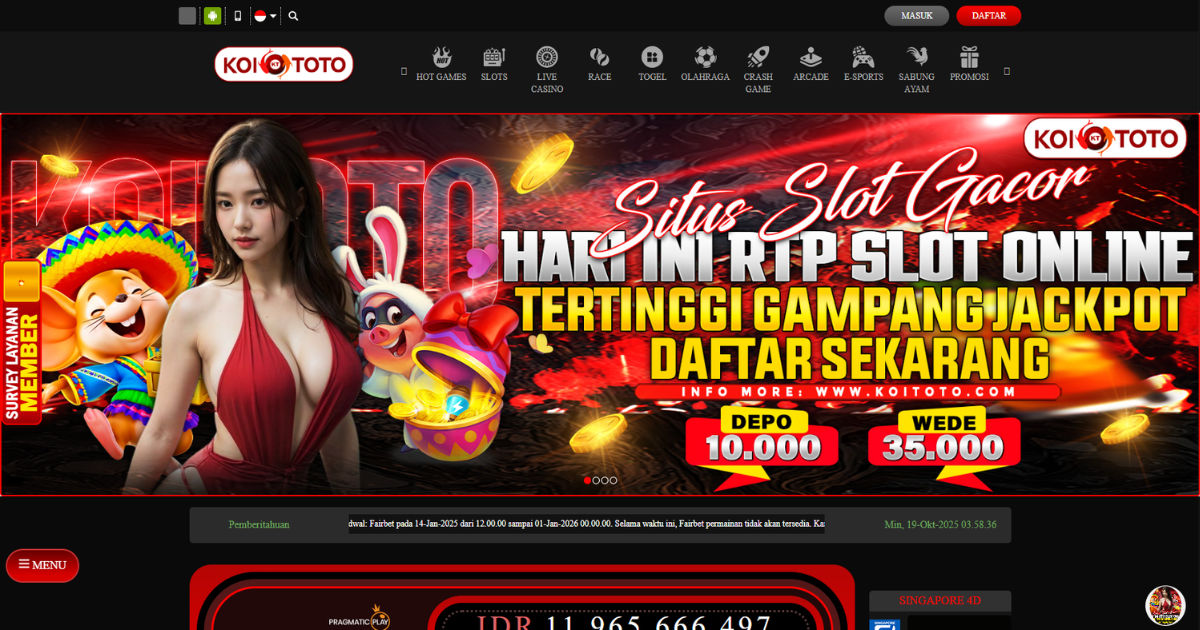
One of the most commonly repeated ideas in situs slot discussions online is that certain games or systems can be predicted or “beaten” using timing or patterns. These situs slot claims are often misleading and can create confusion, especially for younger audiences who are still learning about probability, money management, and digital safety.
Understanding how these systems actually work is important for building critical thinking skills and avoiding risky behavior online.
What Online Slot Games Actually Are
Digital Random Systems
Online slot games are based on something called a Random Number Generator (RNG). This is a computer system designed to produce completely random results every time a user interacts with the game.
This means:
- Every spin is independent
- There is no memory of previous results
- No external pattern can influence outcomes
Even if someone wins several times in a row, it does not mean the system is “getting warmer” or more likely to pay out again.
Why Randomness Matters
Random systems are designed to ensure fairness and unpredictability. However, unpredictability also means players cannot control or accurately predict outcomes.
This is a key concept students should understand because it applies not only to games but also to statistics, science, and data analysis.
Why Students See Terms Like “Hot” or “Lucky” Games Online
Social Media Influence
Many online posts and videos promote the idea that certain games are “hot” or “easy to win.” These messages are often designed to attract attention, not to provide accurate information.
Short-form content platforms reward:
- Viral claims
- Emotional excitement
- Sensational stories
This creates an environment where misleading ideas spread quickly.
Marketing Language
Some websites or promoters use persuasive language to encourage more users to visit or play. They may suggest:
- “high win rates”
- “lucky timing”
- “special patterns”
These phrases are not based on scientific proof but are instead marketing strategies.
Human Psychology
Humans naturally look for patterns, even in random situations. This is known as “pattern recognition bias.”
For example:
- If someone wins twice, they may think a pattern exists
- If someone loses several times, they may think a “win is due soon”
In reality, random systems do not work this way.
The Reality Behind “Winning Strategies”
No Predictive Control
There is no proven method to predict outcomes in systems based on RNG. Claims about timing, sequences, or “tricks” are not supported by mathematics.
The Gambler’s Fallacy
This is a common thinking error where people believe:
- “If I lost many times, I am more likely to win now”
But in reality:
- Each event is independent
- Previous outcomes do not affect future ones
This misunderstanding is one of the biggest reasons people develop unrealistic expectations.
Risks Students Should Understand
Financial Risk
Even small involvement in gambling-like systems can lead to:
- Losing money quickly
- Spending more than intended
- Trying to recover losses (which often increases total loss)
This cycle can become difficult to break.
Academic Consequences
Time and attention spent on gambling-related activities may lead to:
- Reduced study time
- Lower concentration
- Declining academic performance
For students, this is especially important because habits formed early can last long-term.
Emotional and Mental Effects
Unpredictable reward systems can lead to:
- Stress after losses
- Frustration from unmet expectations
- Over-attachment to “winning chances”
This can affect motivation and decision-making.
How to Think Critically About Online Claims
Step 1: Check the Source
Ask:
- Is this coming from a trusted educational or scientific source?
- Or is it from a promotional or entertainment page?
Step 2: Look for Evidence
Real claims should be supported by:
- Data
- Mathematics
- Verified research
If there is no evidence, the claim is likely opinion or marketing.
Step 3: Question the Motivation
Ask:
- Who benefits if I believe this?
- Is someone trying to sell or promote something?
Understanding Probability in Simple Terms
Probability is the study of chance.
In random systems:
- Each outcome has a set probability
- Results cannot be predicted individually
- Long-term averages may be estimated, but not short-term outcomes
This is why even experts cannot predict exact results in random systems.
Safe Digital Habits for Students
Use Time Wisely
Focus on activities that improve:
- Knowledge
- Skills
- Creativity
Examples include online learning platforms, coding practice, reading, or skill-based games.
Avoid Risk-Based Platforms
Be cautious of platforms that:
- Promise guaranteed rewards
- Ask for money with “sure win” claims
- Encourage repeated spending
Build Awareness Early
Understanding how online systems work helps students make better choices in adulthood.
Why Education Matters in This Topic
Learning about probability, psychology, and digital behavior helps students:
- Recognize misinformation
- Avoid financial mistakes
- Develop stronger decision-making skills
These skills are useful far beyond online gaming topics.
Conclusion
Online claims about “easy wins,” “lucky systems,” or predictable outcomes in digital gambling-style games are not supported by mathematics or real-world evidence. These ideas often come from marketing strategies, social media trends, or misunderstandings of randomness.
For students, the most important takeaway is not just avoiding risk, but developing critical thinking. Understanding how probability works, recognizing emotional manipulation, and questioning online claims are essential life skills.
By learning to analyze information carefully, students can make safer decisions online and avoid being influenced by misleading or overly simplified explanations of complex systems.