Being arrested and taken into custody can be a stressful experience for individuals and their families. One of the first concerns after an arrest is understanding when the release process can begin and how long it may take. Knowing the steps involved can help families make informed decisions and avoid unnecessary delays.The timing of release depends on several factors, including the booking process, the charges involved, the bail amount, and whether the court has established bail eligibility. 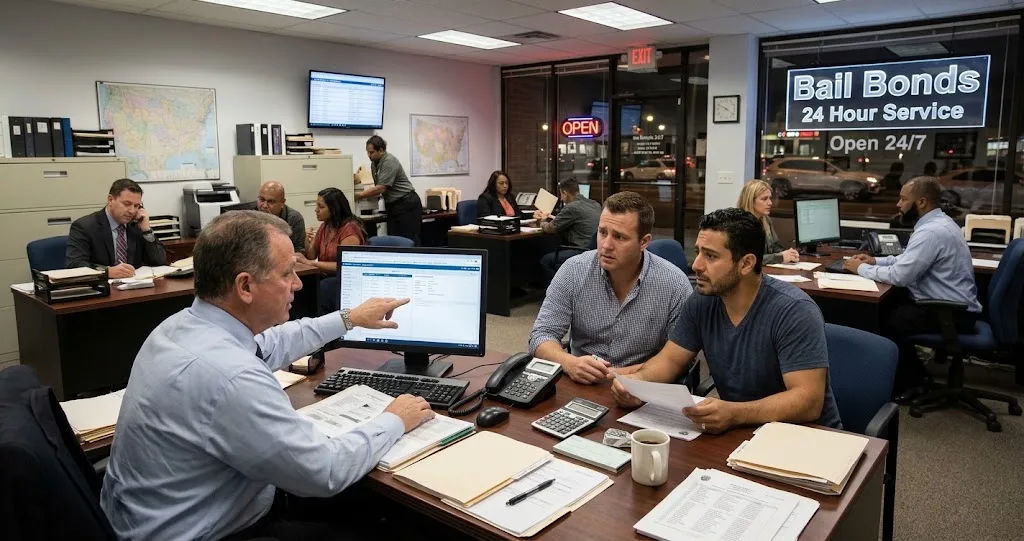 Bail bonds vista services may become involved once the necessary booking information is available and the applicable bail requirements can be confirmed. However, contacting a bail bond agency does not automatically mean that someone can be released immediately.
Understanding the relationship between booking, bail determination, paperwork, and jail processing makes the situation easier to navigate. This guide explains when the process can begin, what information families may need, and what factors can affect the release timeline in Vista, California.
The Booking Process After an Arrest
Booking is the administrative process that takes place after someone is arrested and brought to a detention facility. Before release arrangements can move forward, the jail generally needs to establish the person's identity and complete the required records.
This process is important because bail arrangements depend on accurate information about the person in custody and the charges involved.
What Happens During Booking?
Although procedures can vary depending on the circumstances, booking commonly includes several steps:
-
Recording the arrested person's personal information.
-
Taking photographs and fingerprints.
-
Checking identification and relevant records.
-
Recording the alleged offenses.
-
Completing required administrative procedures.
-
Determining whether the person is eligible for release under applicable rules.
Booking can take different amounts of time. A straightforward case may move through the process relatively quickly, while complicated circumstances, incomplete information, or facility delays can extend the waiting period.
Why Booking Must Be Completed First
A bail bond company generally needs accurate custody and case information before it can arrange a bond.
If someone has only recently been arrested, their information might not yet appear in the jail's booking system. This does not necessarily mean that release is unavailable. It may simply mean that the facility has not completed the administrative steps required to process the case.
Families can contact the appropriate detention facility to ask whether the individual has been booked and whether bail information is available.
When Can Bail Bonds Vista Begin After Booking?
In many cases, bail arrangements can begin as soon as the arrested person has been booked and the required bail information is available. Families do not necessarily have to wait until the first court appearance.
California allows eligible individuals to be released on bail before arraignment. The applicable amount may be established through a county bail schedule or an arrest warrant. If bail has not been established, a judge may need to make a decision about release.
When Is the Right Time to Contact a Bail Bond Agency?
Families can start gathering information and asking questions shortly after an arrest. Once the booking details and applicable bail amount are confirmed, the agency can explain the bond process.
For example, someone arrested late at night may have to wait for booking information to become available. However, families can still begin learning about the process while the facility completes its records.
Can the Process Begin Before Booking Is Complete?
Preliminary communication can begin before booking is finished. A family member can ask what information will be needed and learn about general fees and requirements.
However, the actual bond arrangement usually requires confirmation of the person's identity, custody status, charges, and bail eligibility.
It is important to distinguish between starting a conversation with an agency and officially posting a bond. These are separate steps.
How the Bail Bond Process Works in Vista, California
A bail bond is a financial guarantee provided through a licensed surety arrangement. It is used to secure an eligible defendant's release from custody while the criminal case continues.
Instead of depositing the entire bail amount directly with the court or jail, a defendant or another responsible person may arrange a surety bond through an authorized provider.
Step 1: Confirm the Arrest and Booking Information
The first step is confirming that the individual is in custody.
Families should try to obtain accurate information, including:
-
The arrested person's full legal name.
-
Date of birth, if available.
-
Booking number.
-
Detention facility.
-
Arresting agency.
-
Charges listed in the custody record.
The San Diego County Sheriff's Department provides an online custody information service that can help people check available incarceration records.
Step 2: Confirm the Bail Amount
The next step is finding out whether bail has been established.
San Diego County has an official bail schedule that identifies applicable amounts for different offenses. Its 2026 schedule became effective on January 1, 2026. The schedule also explains how bail may be calculated when multiple charges are involved.
However, the scheduled amount is not necessarily the final decision in every case. A judge may review the circumstances and establish different release conditions.
Step 3: Understand the Bond Agreement
Before agreeing to a bond, the responsible person should understand the financial obligations.
A bail bond generally involves a premium paid to the licensed provider. The premium is different from the full bail amount and is generally not refundable simply because the criminal case ends.
The agreement may also include collateral requirements, payment arrangements, and responsibilities for the person arranging the bond.
Families considering bail bonds vista services should carefully review all written terms before signing an agreement.
Step 4: Complete the Required Paperwork
The bond provider may request documents and information to verify the identity of the person arranging the bond.
The paperwork can include:
-
Personal identification.
-
Contact information.
-
Employment or financial details when required.
-
Information about the defendant.
-
Signed bond agreements.
-
Required financial disclosures.
The exact requirements depend on the provider and the circumstances of the case.
Step 5: Submit the Bond
After the agreement and required documentation are completed, the authorized bond provider can submit the bond through the appropriate detention or court process.
The jail must accept and process the bond before release can proceed.
Posting a bond does not mean the person immediately walks out of the facility. Additional verification and administrative procedures may still be necessary.
How Long After Booking Does Release Usually Take?
There is no single release timeline that applies to every arrest in Vista.
Some cases move through the process relatively quickly, while others take longer because of administrative requirements, court decisions, or additional legal circumstances.
The time required to complete a bond agreement is also different from the time required by the detention facility to process a release.
Factors That Affect Release Time
Several factors can influence how quickly someone is released.
1. Completion of booking
If booking is still underway, the necessary information may not yet be available.
2. Bail eligibility
Some individuals may qualify for release through bail, while others may require a judicial decision.
3. Number of charges
Multiple charges can affect the total bail amount and may require additional review.
4. Outstanding warrants
An individual may have another warrant or legal matter that prevents immediate release.
5. Court orders
A judge may establish specific release conditions or determine that the individual must remain in custody.
6. Facility workload
Busy detention facilities may take longer to complete administrative processing.
Does Paying Bail Guarantee Immediate Release?
No. Paying bail or arranging a surety bond does not guarantee immediate release.
The San Diego County Sheriff's Department specifically explains that posting bail does not guarantee that an incarcerated person will be released. Other cases or legal restrictions may still apply.
For this reason, families should avoid relying on guaranteed release times.
What Happens If Bail Has Not Been Set Yet?
Not every arrest follows the same release procedure. In some situations, the applicable bail amount may already be available through the county schedule. In others, the court must review the circumstances before determining whether release is appropriate.
When a Judge Must Review the Case
A judge may need to consider the charges, the person's background, public safety, and the likelihood that the individual will return for future court appearances.
California Courts explains that a judge may choose among several outcomes:
-
Release on the person's own recognizance.
-
Release with supervision or other conditions.
-
Release after bail is posted.
-
Continued detention without bail.
The decision depends on the circumstances and applicable law.
Can a Family Arrange a Bond Before Arraignment?
Yes, in eligible cases.
California's pretrial release framework allows qualifying defendants to obtain release before arraignment when the applicable bail requirements have been satisfied.
However, this option is not available in every case. Some charges and circumstances require judicial review before release can occur.
What Information Should Families Prepare?
Having accurate information can make communication with the detention facility and legal representatives easier.
Families should avoid guessing about charges, booking numbers, or release eligibility. Incorrect details can create confusion and slow down the process.
Important Booking Details
Try to obtain the following information:
-
Full legal name of the arrested individual.
-
Date of birth.
-
Booking number.
-
Name of the detention facility.
-
Current custody status.
-
Available bail amount.
-
Listed charges.
Not every detail will be available immediately after an arrest. Families can ask the appropriate authorities when updated information may become available.
Financial Information
People arranging a bond should also understand their financial responsibilities.
They should ask about the total premium, any collateral, payment terms, and circumstances that could create additional costs.
When reviewing bail bonds vista agreements, it is important to understand who is financially responsible and what happens if the defendant fails to meet court requirements.
What Can Delay the Bail Bond Process?
Even when someone is eligible for release, certain circumstances can delay the process. Understanding these issues helps families maintain realistic expectations.
Incomplete or Incorrect Booking Records
The bond process depends on accurate information. If the arrested person's name, date of birth, or booking details are incorrect, additional verification may be necessary.
Families should provide information exactly as it appears on official records whenever possible.
Multiple Criminal Cases
An individual may be held on more than one case. Posting bail for one case does not automatically resolve another case.
For example, someone may have an active warrant from a previous matter. Even if the current bail requirement is satisfied, the other case may prevent release.
Medical or Administrative Requirements
A detention facility may need to complete additional administrative procedures before releasing an individual.
Medical concerns, identification questions, and other facility requirements can affect the timing. These procedures are separate from the work performed by a bond provider.
Judicial Restrictions
Some cases involve restrictions that cannot be resolved simply by posting a bond.
A judge may order continued detention, impose special release conditions, or require additional review. Families should obtain legal guidance when they are uncertain about the meaning of a court order.
What Happens After a Person Is Released?
Release from custody does not mean that the criminal case has ended. The defendant must continue following the court's requirements.
Understanding the responsibilities after release is just as important as understanding the initial booking process.
Following Court Dates
A released individual must attend required court appearances.
Missing a scheduled appearance can result in additional legal problems, including a warrant for arrest and possible consequences for the bond.
Defendants should keep copies of their court documents and confirm hearing dates with their legal representatives.
Following Release Conditions
Depending on the case, a judge may establish conditions that must be followed while the defendant remains outside custody.
These conditions may include:
-
Restrictions on contacting certain individuals.
-
Travel restrictions.
-
Supervision requirements.
-
Restrictions involving particular locations.
-
Other conditions ordered by the court.
Violating release conditions can have serious consequences.
The Responsibilities of the Bond Signer
The person who signs a bail bond agreement may accept financial responsibilities connected with the bond.
These responsibilities should be understood before the agreement is completed.
A signer should keep copies of the paperwork, understand any collateral arrangements, and know how to communicate with the provider if circumstances change.
Can Bail Bonds Vista Help During Nights and Weekends?
An arrest does not always happen during regular business hours. Someone may be taken into custody late at night, early in the morning, or during a weekend.
The availability of a bond provider and the operating procedures of the detention facility are two separate considerations.
A provider may be available to answer questions outside normal business hours, but the facility must still complete its required release procedures.
Weekend and Holiday Considerations
Weekend and holiday arrests can involve additional scheduling considerations, particularly when a judge must review the case.
However, an existing bail amount may allow eligible individuals to begin the bond process without waiting for a regular court appearance.
The specific circumstances determine whether that option is available.
Why Families Should Confirm Facility Procedures
The Vista Detention Facility is part of the San Diego County Sheriff's Department.
Its official facility listing provides the address and public custody information number:
-
Address: 325 S. Melrose Drive, Suite 200, Vista, CA 92081.
-
Public custody information: (619) 409-5000.
Families can use the official number to ask about custody information and applicable facility procedures.
What Is the Difference Between Bail and a Bail Bond?
People sometimes use the terms bail and bail bond as if they mean exactly the same thing. However, they describe different parts of the release process.
Bail
Bail is the financial security required for a defendant's release when the court or applicable schedule permits release on bail.
The purpose is to encourage the defendant to attend required court proceedings.
Depending on the circumstances, bail may be paid directly or secured through an approved surety bond.
Understanding a Surety Bond
A surety bond involves a licensed surety provider that guarantees the required amount under the bond agreement.
The defendant or another responsible person generally pays a premium for this service.
The premium is not the same as a refundable cash deposit. Its terms should be reviewed carefully before an agreement is signed.
Which Option Is Appropriate?
The appropriate option depends on the financial circumstances, the amount of bail, and the requirements of the case.
Families should compare the obligations involved and seek independent legal or financial guidance if they do not understand the agreement.
Common Mistakes to Avoid After an Arrest
Families often have to make decisions under stressful circumstances. Taking time to verify information can help prevent avoidable problems.
Assuming Every Arrest Has the Same Timeline
Different charges, booking procedures, and court requirements can produce different outcomes.
One person's release experience should not be treated as a guaranteed timeline for another case.
Providing Inaccurate Information
Incorrect booking information can make verification more difficult.
Always use official records when available and ask the detention facility to clarify missing details.
Ignoring the Bond Agreement
Signing a financial agreement without understanding its terms can create unexpected obligations.
Review the premium, collateral requirements, payment conditions, and responsibilities carefully.
Treating Release as the End of the Case
A bond provides a way for an eligible defendant to remain out of custody while the case continues. It does not remove the charges or eliminate the requirement to attend court.
Legal representation can help defendants understand their rights and obligations throughout the proceedings.
Conclusion
Understanding when bail arrangements can begin after booking helps families make informed decisions during a difficult situation. In Vista, California, the process can often start once the arrested person's booking information becomes available and the applicable bail requirements are confirmed.
Bail bonds vista services may assist with the financial and administrative aspects of arranging an eligible release. However, contacting a provider, completing paperwork, submitting a bond, and receiving release approval are separate steps. Each one must be completed according to the applicable legal and detention facility procedures.
Families should first confirm the individual's custody status, booking number, charges, and bail eligibility. They should also understand the financial obligations associated with a surety bond before signing any agreement.
Some people may qualify for release before their first court appearance, while others must wait for a judge to review their circumstances. Outstanding warrants, multiple cases, and special court orders can also affect the outcome.
Most importantly, release from custody does not end the legal proceedings. Defendants must attend their scheduled court appearances and follow every condition imposed by the court.
By understanding the booking process, verifying official information, and obtaining appropriate legal guidance, families can approach the situation with clearer expectations and avoid unnecessary confusion.