Choosing the right outfit for a party is about more than picking something that looks pretty. The best girl dresses should suit the occasion, feel comfortable, match the weather, and allow the wearer to move naturally throughout the event. A dress that looks beautiful on a hanger may not always be the right choice once dancing, sitting, eating, or spending several hours at a party becomes part of the evening. 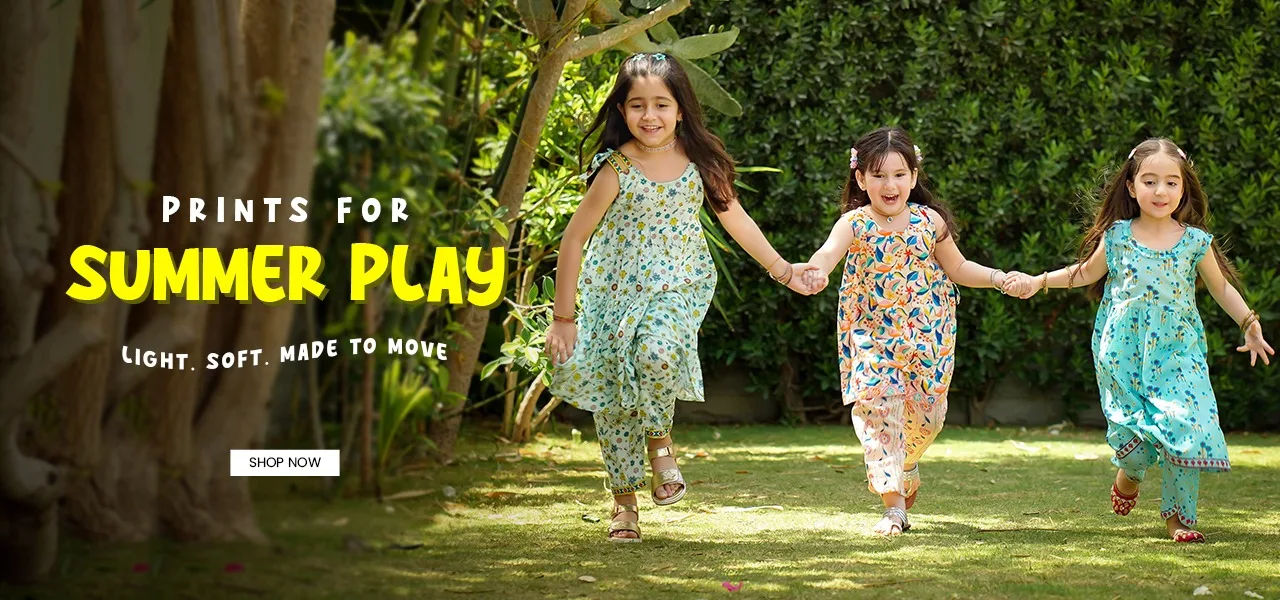 When selecting girl dresses, it also helps to think about the child’s personality rather than following every passing fashion trend.
Some girls enjoy bright colors and playful details, while others prefer simple silhouettes and softer shades. The goal is to find an outfit that feels special without becoming uncomfortable or overly complicated.
The Type of Party
The first step is identifying what kind of party the dress is for. A birthday celebration, wedding, family dinner, school event, holiday gathering, and formal reception can all have different expectations.
A casual birthday party may allow a colorful cotton dress, while a wedding may call for something more polished. A formal evening event might suit satin, velvet, chiffon, or another dressier fabric.
Before shopping, consider the invitation, venue, timing, and expected dress code. These details can prevent you from choosing an outfit that is either too casual or unnecessarily formal.
Birthday Parties
Birthday parties usually provide more freedom. Comfortable dresses with cheerful colors, attractive prints, bows, embroidery, or subtle embellishments can work well.
For younger girls, playful designs can make sense because birthday parties often involve games and movement. Avoid choosing something so elaborate that it restricts normal activity.
Weddings and Formal Events
Weddings often call for a more refined appearance. Soft pastels, floral patterns, elegant neutrals, and tasteful embellishments are common choices.
The dress should still be age-appropriate. Sophisticated does not have to mean overly mature. Simple details such as a pretty neckline, layered skirt, delicate embroidery, or a matching cardigan can create a polished appearance.
Family Gatherings
Family parties tend to sit somewhere between casual and formal. A well-fitted dress in cotton, linen blends, soft velvet, or comfortable synthetic fabrics can work depending on the season.
This is a good setting for versatile girl dresses that can later be worn to dinners, celebrations, or other social occasions.
Consider the Girl's Age
Age is an important factor when choosing a party dress. Children need clothing that supports movement and comfort, while older girls may have stronger preferences about colors, cuts, and styling.
For younger children, prioritize soft fabrics, secure fastenings, and designs that do not interfere with walking or playing.
Older girls may want to participate more actively in choosing their clothing. Giving them a few suitable options can make shopping easier while still allowing them to express their personality.
Choose Age-Appropriate Designs
A party outfit should feel appropriate for the child's age. This does not mean every dress needs to look childish. It simply means the design should be comfortable, practical, and suitable for the setting.
Avoid choosing an outfit solely because it resembles an adult fashion trend. Children's clothing can be stylish without copying adult formalwear.
Let Her Personality Matter
One girl might love pink and sparkly details, while another might prefer navy, green, cream, or floral prints. Personal preference matters because confidence often comes from feeling comfortable with what you are wearing.
If she strongly dislikes a particular style, forcing her to wear it may turn an enjoyable party into an uncomfortable experience.
Select the Right Fabric
Fabric can completely change how a dress feels during a party. Appearance matters, but comfort becomes increasingly important as the event gets longer.
Cotton is useful for warm-weather celebrations because it is generally comfortable and breathable. Linen blends can also work well in hot conditions.
Velvet and heavier fabrics can be attractive for winter parties. Satin can create a formal appearance, although it may require more care and can sometimes feel less forgiving during active events.
Think About the Weather
Season should always influence the choice. A beautiful winter dress may be unpleasant at an outdoor summer party.
For warm weather, look for lighter fabrics and designs that do not trap excessive heat. During colder months, consider layering the dress with a cardigan, tights, jacket, or other suitable outerwear.
For outdoor parties, remember that temperatures can change during the event. A removable layer can be particularly useful.
Pay Attention to Fit
Fit is one of the most important factors in selecting girl dresses. A dress should allow comfortable movement without being excessively loose or tight.
Check the shoulders, chest, waist, sleeves, and length. The child should be able to sit, walk, raise her arms, and move comfortably.
Avoid Buying Too Large
Parents sometimes buy significantly larger clothing so it can be worn for longer. While a small amount of growing room can be practical, excessive sizing can make a dress look awkward and create safety or movement problems.
The better approach is to choose a size with reasonable room for growth while maintaining a proper overall fit.
Check the Length
Dress length depends partly on age and occasion, but practical movement should always be considered.
If the party includes running or games, a very long skirt may become inconvenient. For formal events where the child will spend more time sitting and socializing, longer styles may be more practical.
Choose Colors Carefully
Color can influence the entire appearance of an outfit. Bright shades can create a cheerful party look, while muted colors can feel more elegant.
Pink, lavender, peach, yellow, blue, green, cream, and floral combinations can work beautifully depending on the occasion.
For formal celebrations, deeper shades such as burgundy, navy, emerald, or plum can create a sophisticated appearance without relying on excessive decoration.
Match the Occasion
A bright rainbow-colored dress may be perfect for a children's birthday party but less suitable for a formal evening reception.
Similarly, a very dark dress may feel unnecessarily serious at a playful daytime celebration.
The best color choice is one that works with both the atmosphere and the child's personal preference.
Think About Prints and Patterns
Prints can make a simple dress more interesting. Floral designs are popular for spring and summer celebrations, while checks, subtle geometric patterns, and solid colors can work throughout the year.
Large prints can create a bold appearance, whereas smaller patterns tend to look more understated.
When the dress already has a strong pattern, accessories can be kept simple. This prevents the outfit from appearing visually crowded.
Decide How Much Decoration Is Appropriate
Sequins, lace, embroidery, ribbons, beads, bows, and layered skirts can turn an ordinary dress into something special.
However, more decoration does not automatically mean a better outfit.
For a child who will be playing, eating, and moving around, excessive embellishment may become irritating or uncomfortable. Loose decorations can also require additional care.
A few well-placed details can often create a more attractive result than covering the entire dress with decorative elements.
Consider Comfort Around the Neck and Waist
Some dresses have decorative collars, tight waistbands, or textured materials that may become uncomfortable after several hours.
Check these areas before purchasing. If possible, have the child try the dress on and move around in it.
Consider the Shoes
A dress is only one part of the party outfit. Shoes should complement the style without creating discomfort.
For an active party, comfortable flats or other secure footwear may be more practical than delicate shoes.
For a formal event, dressier footwear can work, but comfort should remain a priority. Children may spend several hours standing, walking, and playing.
The color of the shoes does not necessarily need to match the dress exactly. Neutral shades can work with many outfits and increase versatility.
Choose Practical Accessories
Accessories can enhance girl dresses, but they should not overwhelm the outfit.
A simple headband, hair bow, small handbag, cardigan, or tasteful jewelry can complete the look.
For younger children, avoid accessories that are difficult to manage or likely to become irritating during play.
The best accessories are those that add something to the outfit while allowing the child to forget she is even wearing them.
Consider Ease of Changing
Party dresses should be reasonably easy to put on and take off. This becomes particularly important for younger children.
Look at zippers, buttons, snaps, elastic sections, and other closures. A complicated dress may look impressive but become frustrating when a child needs to use the bathroom or change after an accident.
Easy-care construction is especially useful for children's party clothing because spills and stains are common.
Check the Care Instructions
Before purchasing a special dress, check whether it requires dry cleaning, hand washing, or special handling.
A dress that requires extensive maintenance may not be practical if the child attends parties regularly.
Machine-washable fabrics can be particularly useful for everyday celebrations. For more expensive formal outfits, consider whether the maintenance requirements fit your budget and routine.
Balance Style and Budget
Party clothing does not always need to be expensive. A thoughtful choice can look attractive without having a high price tag.
Set a budget before shopping. Then focus on fit, fabric, construction, and versatility rather than simply looking for the most decorated option.
A well-made simple dress may provide more value than an elaborate outfit that can only be worn once.
Look for Versatility
Some girl dresses can be styled differently for different occasions.
For example, a floral dress might work for a birthday party with flats and a simple hair accessory. The same dress could become more formal with a cardigan, polished shoes, and a coordinated accessory.
Versatility makes it easier to justify spending more on quality.
Consider the Venue
The party location can influence the practical choice of clothing.
An indoor banquet hall may allow more formal outfits. An outdoor garden party may require lighter fabrics and comfortable shoes.
A party at a playground or activity center demands even more attention to movement.
If you know what the child will actually be doing, choosing suitable girl dresses becomes much easier.
Allow Room for Movement
A child should not have to sit still just to protect her outfit.
Before deciding on a dress, think about the activities planned for the party. Dancing, games, climbing, walking, and playing can all require flexibility.
Try simple movements while wearing the dress. Ask the child to sit down, walk, bend slightly, and raise her arms.
If the outfit remains comfortable during these movements, it is more likely to work well throughout the event.
Think About Hair and Styling
Hair styling can complement a party dress without requiring complicated accessories.
A simple ponytail, braid, bun, or loose hairstyle can work depending on the dress and occasion.
If the dress contains substantial decoration around the neckline, keeping the hairstyle relatively simple may create a balanced appearance.
The objective is not to make every element compete for attention.
Avoid Last-Minute Shopping
Buying a dress immediately before the party can lead to rushed decisions.
Shopping earlier provides time to check the fit, wash the garment if necessary, test the shoes, and find suitable accessories.
It also gives the child time to become familiar with the outfit.
This matters particularly when buying online because sizing can vary between manufacturers.
Check Online Measurements
When shopping online, do not rely exclusively on the age printed on the size chart.
Measure the child and compare those measurements with the seller's specific sizing information.
Pay attention to chest, waist, shoulder, and length measurements where available.
Customer reviews may also reveal whether a particular design tends to run small, large, short, or long.
Think About the Whole Experience
The perfect party dress is not simply the one that receives compliments.
It should allow the child to enjoy the event without constantly adjusting clothing, fixing uncomfortable straps, worrying about stains, or struggling with restrictive fabric.
A practical outfit can still be beautiful. In fact, comfort often makes an attractive dress look better because the child can wear it naturally and confidently.
Conclusion
Choosing the right girl dresses for parties requires a balance between appearance, comfort, occasion, age, weather, fit, and practicality. Starting with the type of party makes the rest of the decision much easier. Once you understand whether the event is casual, formal, indoors, outdoors, active, or relaxed, you can narrow down suitable styles.
Fabric should be selected according to the season and expected activity. Fit should allow natural movement without making the dress excessively loose or tight. Colors, prints, embroidery, bows, lace, and other decorative details can add personality, but they should complement rather than overpower the overall outfit.
The child's opinion should also have a place in the decision. A dress may look beautiful to an adult, but if the child dislikes the color, fabric, or shape, she may not enjoy wearing it. Giving her several appropriate choices can create a better balance between parental guidance and personal preference.
Shoes and accessories deserve attention as well. They should complete the outfit while remaining comfortable enough for the entire event. Practical details such as closures, washing instructions, dress length, and durability can make a major difference once the party actually begins.
Ultimately, the most suitable girl dresses are those that fit the event and allow the child to feel comfortable, confident, and ready to participate. A thoughtful choice does not need to be extremely expensive or heavily decorated. It simply needs to bring together the right style, fit, fabric, and practical details for the occasion.